White Strawberries Podcasts about Animals: Listen Here.
Chickens
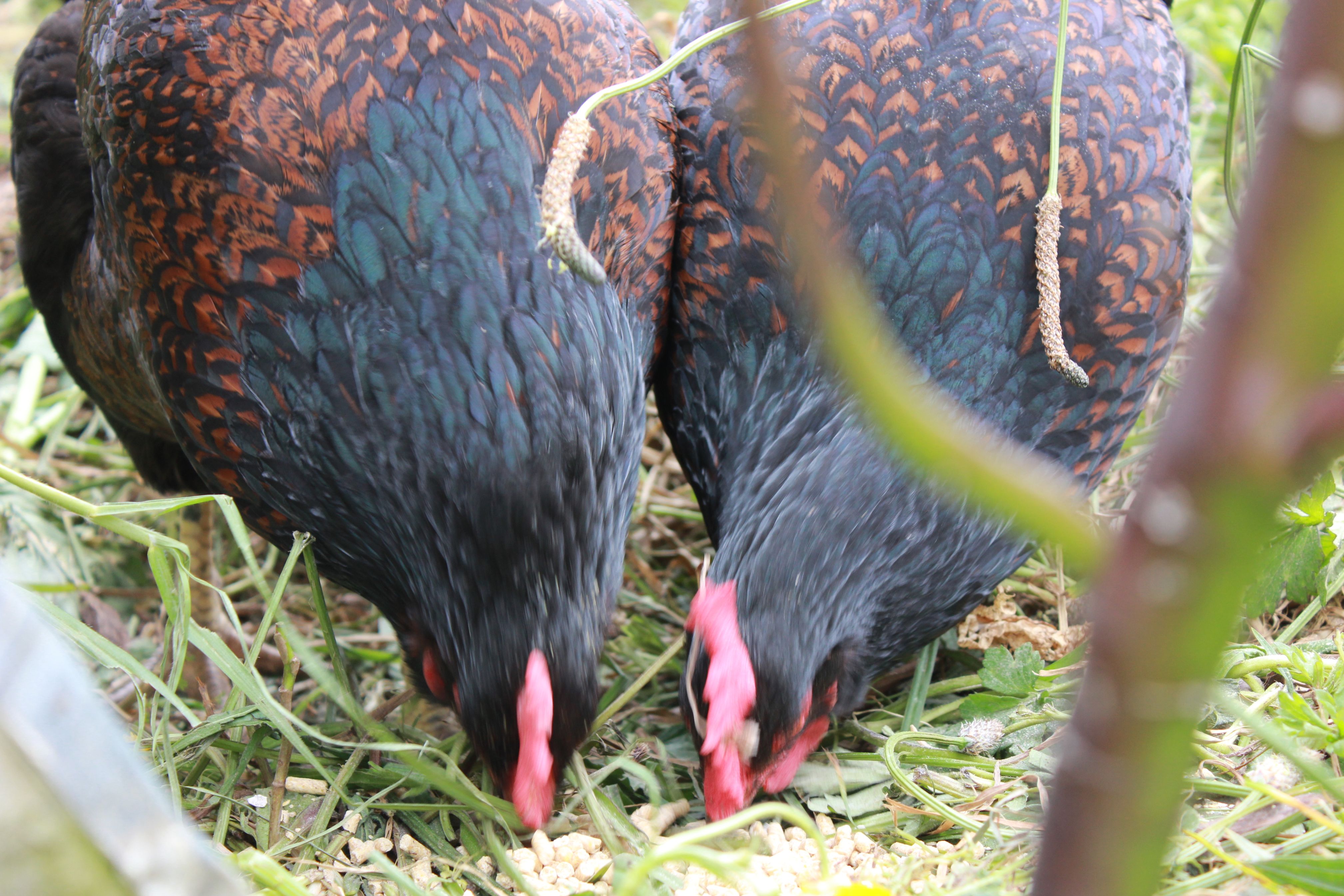
Whether they're clearing falling fruit in the orchard, eating pests, working in a tractor system or turning your compost chickens are a great addition to your garden.
Quick questions before you listen 👇
The best breed depends on your goals. If you want chickens to work in your garden—scratching soil, eating pests, and contributing to your ecosystem—a heritage dual-purpose breed is often the best choice. These breeds tend to be healthier, live longer, and balance egg production with hardiness.
If you want fewer escape attempts and better predator resistance, choose a heavier breed like Orpingtons. If egg production is your top priority, lighter commercial layers will produce more eggs—but often at the cost of lifespan and long-term health.
No — and this is one of the most common misconceptions.
Even if chickens are free ranging, they often do not get enough protein or calcium from the environment alone—especially high-laying breeds.= (think brown shavers and hylines) Chickens should always have access to a quality layer pellet as their main diet.
Scraps like oats or kitchen leftovers can be given, but they should be treated as occasional extras, not the foundation of their nutrition. In fact if you have a high layer you need to be even more careful to provide 99% of their diet in pellet form as they have been selectively breed to eat this alone.
They can be, but they require more careful management.
Commercial layers are bred to lay very frequently, which can lead to:
Shorter lifespans
Calcium deficiencies
Health issues like prolapse or osteoporosis
If you choose these chickens, you need to:
Be very consistent with nutrition
Be prepared for potential health care needs
Accept that they may not live as long as heritage breeds (they often have reproductive issues) :(
I recommend a dual purpose heritage breed from somewhere and someone that has a great success in allow some free ranging over many years per hen.
Yes! Chicken poo is fabulous as it has nitrogen in it, but the chicken, depending on your system will spread it out for you. This leads to no nitrogen burn or imbalances of your soil, as long as they are being moved regularly and have enough space. You'll need to monitor this.
Pigs
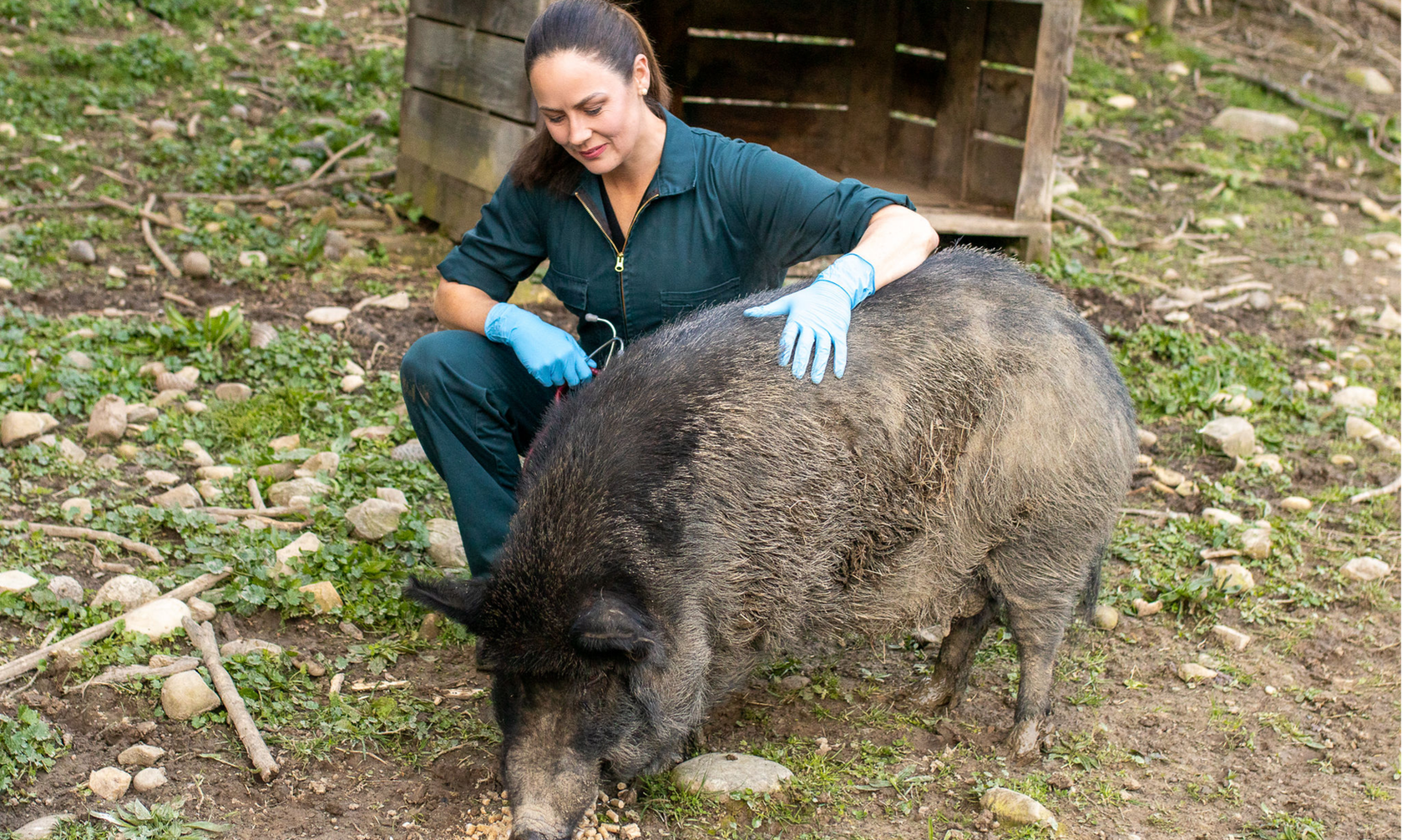
Pigs dig up hard to reach root systems, till the soil and spread mulch. Designing a new orchard? Pigs could be a perfect addition!
Quick questions before you listen 👇.
In Aotearoa NZ:
DIY nose‑ringing is illegal – you cannot insert a nose ring yourself; it must be done by a competent person, usually a vet and even then not recommended and probably still not being able to be done legally.
You cannot use nose ringing to just to protect your paddock or garden.
Professional supervision – procedures like castration must be done by a vet; you cannot do it yourself.
🐷Smaller heritage breeds like Kune Kune (coonies) are often better suited for gardens. They're easier to handle and like many commercial breeds, the big pink pig, has evolved with pellet and cages and therefore harder to keep happy in a "wildish" environment.
Two pigs are recommended for companionship, and careful breed selection helps ensure they fit your space and goals. There’s no true “mini” pig in Aotearoa NZ, however there may be some where you live. I recommend asking to see the parents to estimate adult weight.
Pigs can act as natural tillers and nutrient cyclers. Their rooting breaks up compacted soil, incorporates organic matter, and helps clear weed roots. When moved on after working an area, their manure and disturbance can improve soil structure and fertility — reducing the need for machinery or chemicals.
For a home gardener I do NOT recommend pig manure in the garden processes. Esp annual edibles. Choose ruminant manure. Pigs are omnivores and can carry bacteria like E. coli or parasites. They are best used to clear land for fruit trees or non edibles. However, if you're super excited about it listen to the episode and Sez the Vet talks through ways around these things.
Animal Manure
Animal Manure is Powerful in the garden. In this episode, we cover ruminant manure, vermicompost tea, and worm juice, showing how these natural fertilizers can improve soil health, boost nutrient uptake

Quick questions before you listen 👇
Short answer: No — it’s best not to.
Fresh manure is high in nitrogen and can burn plant roots. It may also introduce unwanted bacteria or weed seeds (especially from non-ruminant animals like horses or pigs).
For best results, use:
Well-composted manure, or
Diluted forms like manure tea or vermicompost tea
This allows nutrients to be released slowly and safely into the soil.Quick questions before you listen 👇
🐏Ruminant manure (like cow, sheep, goat, or alpaca) is often the easiest and safest to use.
These animals have complex digestive systems that:
Break down seeds effectively
Produce manure with fewer viable weed seeds
Alpaca manure is especially popular because:
It’s easy to collect (they use communal dung piles)
It’s relatively gentle and nutrient-rich
🐔 Chicken manure is also fabulous when they poo directly onto the soil because the little nuggets are spread throughout the soil, and of course less work for the gardener.
Manure primarily improves soil health, not just plant growth.
Research shows manure:
Feeds beneficial soil microbes
Increases organic carbon
Improves soil structure and water retention
Helps plants access nutrients over time
Unlike synthetic fertilisers (which act quickly), manure supports a living soil system, leading to better long-term plant health and food quality.
It depends on what you value.
Chemical fertilisers → faster growth, higher yields
Manure and organic systems → better soil health, nutrient density, and flavour
Some studies show the highest yields come from combining both — but manure-based systems tend to produce healthier soil and more nutrient-dense food.
For a home gardener I recommend staying away from synthetic fertilisers. Choose a lane, synthetic chemicals and wetting agents that damage biodiversity or organic systems. As home gardeners we DO NOT want max output at the cost of everything else, we want a happy, low cost, low time garden that gives back more than we put in.
Dilute it heavily — think “weak tea.”
Basic method:
Soak composted manure or worm castings in water (24–48 hours)
Dilute roughly 1:10 to 1:20
You can apply it as:
A soil drench (around the drip line of trees)
A foliar spray (on leaves- in which case you'll need to strain)
Always start weak and observe your plants — too strong can cause damage.
Sam's personal Method:
On the odd occasion I will grab a friend's ruminants poo and add it to my compost pile, or wet down and pour a layer onto one of my worm farms. But my BEST and EASIEST method? I put the chicken dome (where the chickens sleep) right on top of where I want the poo. Then I move it. Winning. In the rain the chickens prefer their dome that ranging and will scratch up the plants in the dome, eating weed seeds, the left over produce and yummy greens, spreading their poo. I talk about this in the Chicken Tractor Episode above.
Grounded: 4-week Guided Workshop
Observe and understand your space without stress or overload
Align your garden with your life, energy, and joy
Build practical systems that actually make gardening easier
Reimagine your garden to reflect your values and lifestyle
In real life- online aspects and self study aspects.
The wait list is currently open.
Work with Sez the Vet
When it comes to raising animals with care, confidence, and common sense, I’m incredibly lucky to learn from , Sez the Vet.
Sez is a qualified veterinarian who’s passionate about practical, ethical animal care—especially for lifestyle block owners and backyard growers. She has a knack for breaking down complex topics (like nutrition, housing, and animal welfare laws) into advice that actually makes sense in real life.
Whether you’re raising chickens, pigs, or just thinking about adding animals to your system, her website is a goldmine of grounded, trustworthy guidance.
Listen to the Latest White Strawberry Episode Here:


© 2026 White Strawberries.