Chickens
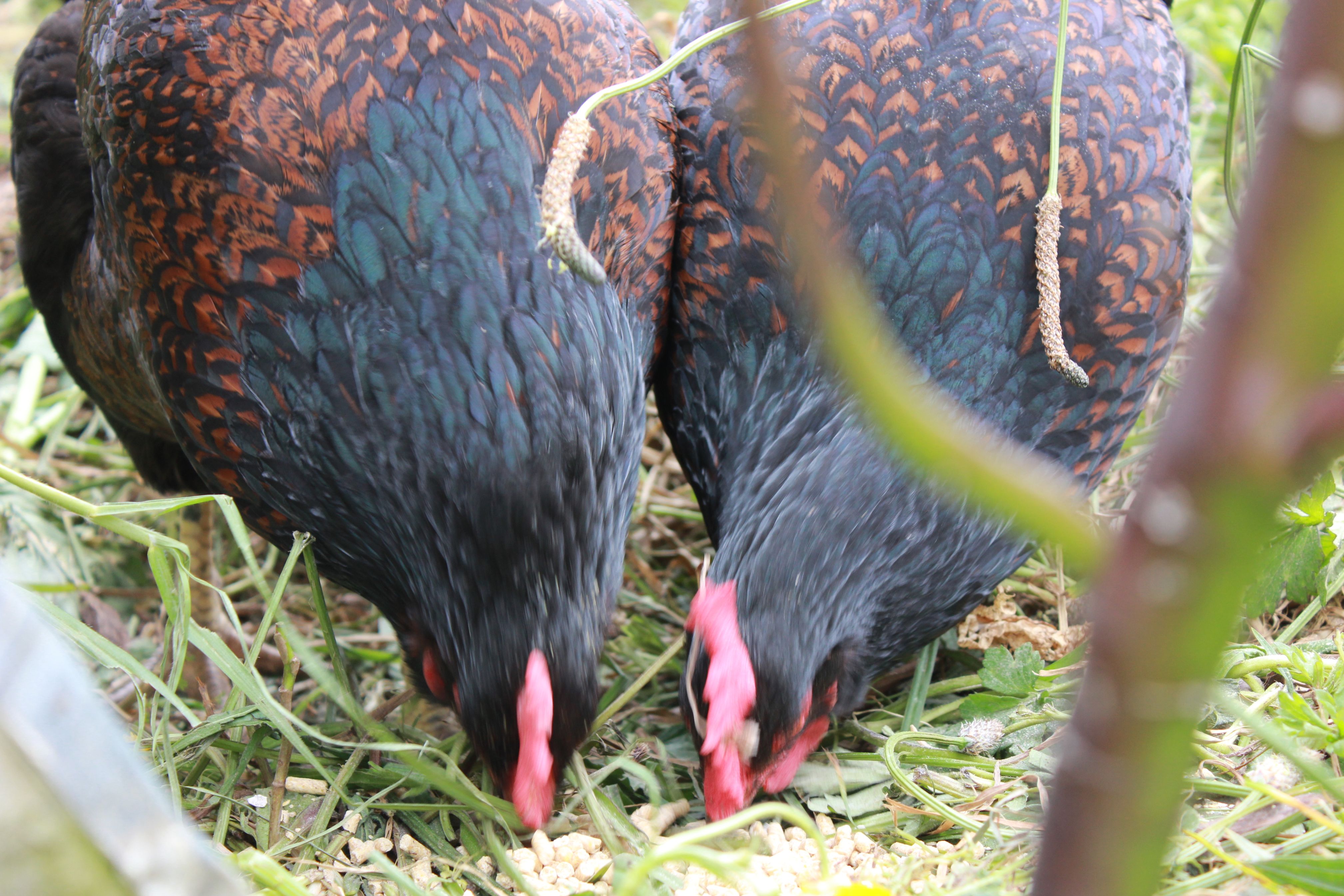
Whether they're clearing falling fruit in the orchard, eating pests, working in a tractor system or turning your compost chickens are a great addition to your garden.
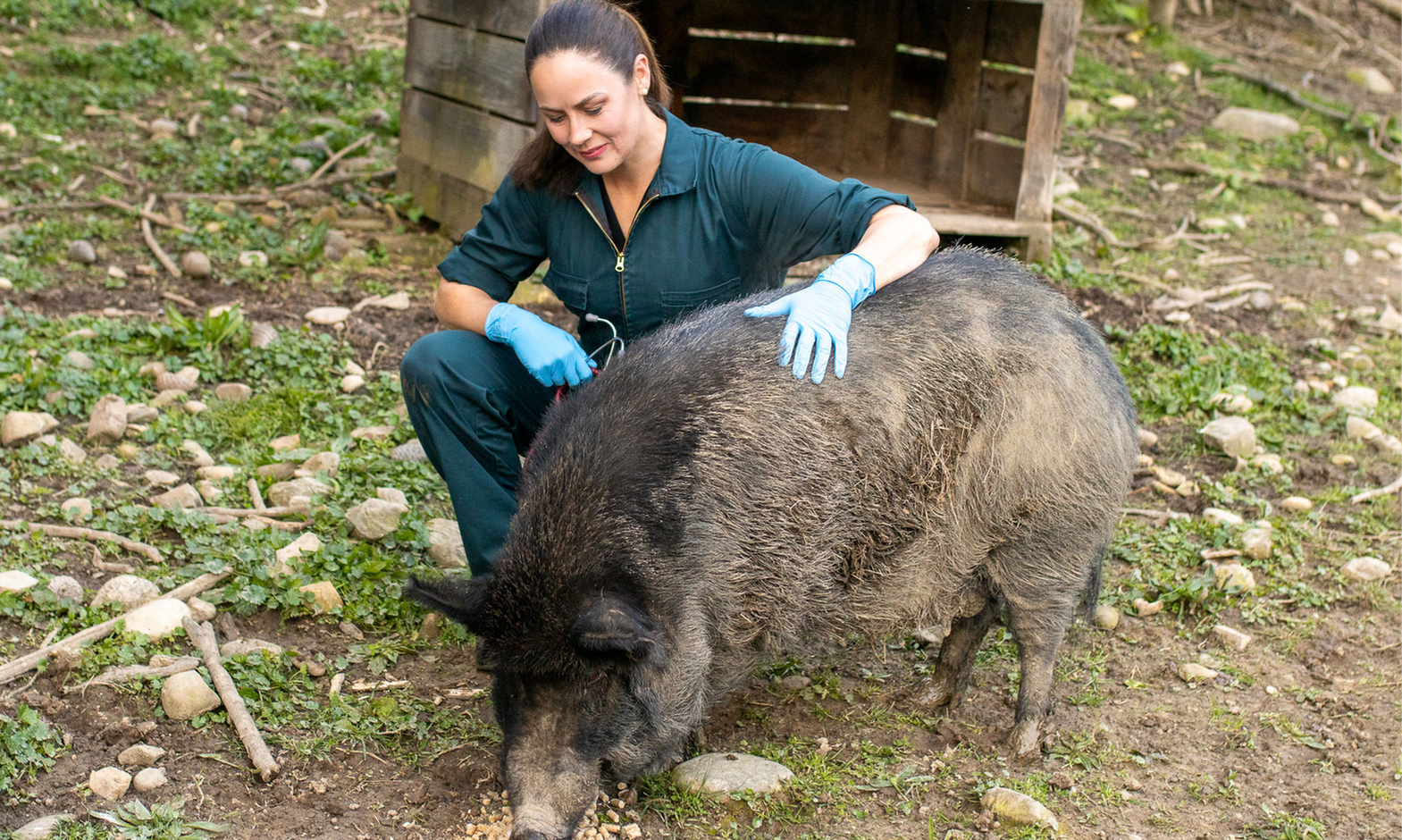
In the above episodes Sam speaks with Sez the Vet, a qualified veterinarian running a clinic and online consultancy, sharing practical, ethical advice for caring for lifestyle animals.
Quick questions before you listen 👇
For a productive garden companion: Choose a heritage dual-purpose breed. They help with pest control, scratch the soil, lay eggs, and tend to be hardy and long-lived. In this episode of White Strawberries Sam and Sez the Vet unpack heritage breeds, commercial layers, egg production, predator resistance, and how chickens fit into a garden ecosystem.
No — and this is one of the most common misconceptions. Even if chickens are free ranging, they often do not get enough protein or calcium from the environment alone—especially high-laying breeds.= (think brown shavers and hylines) Chickens should always have access to a quality layer pellet as their main diet. Scraps like oats or kitchen leftovers can be given, but they should be treated as occasional extras, not the foundation of their nutrition. In fact if you have a high layer you need to be even more careful to provide 99% of their diet in pellet form as they have been selectively breed to eat this alone.
Yes! Chicken poo is fabulous as it has nitrogen in it, and the chicken, depending on your system will spread it out for you. This leads to no nitrogen burn or imbalances of your soil, as long as they are being moved regularly and have enough space. You'll need to monitor this.